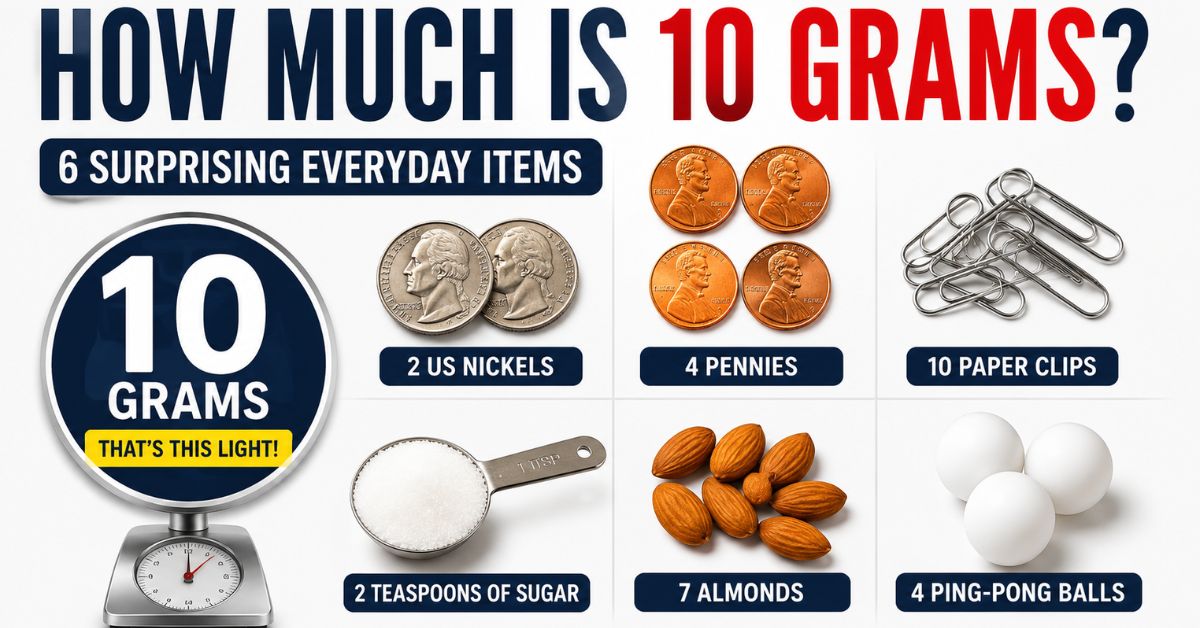
How Much Is 10 Grams? 6 Surprising Everyday Items
10 grams equals about 0.35 ounces, or roughly the weight of two US nickels. That’s it a tiny amount that’s easy to underestimate until you hold it in your hand.
Most people picture 10 grams and imagine something almost weightless, like a feather or a sheet of paper. In reality, it’s closer to a AAA battery or a stack of ten dollar bills. This article breaks down exactly how much is 10 grams by comparing it to six real, everyday objects you probably already own, so you can visualize 10 grams without ever touching a scale.
What most weight-comparison articles skip is the why why a nickel weighs what it does, why battery weight varies by brand, and why “close to 10 grams” isn’t always exactly 10 grams. We’ll cover that here, along with a full conversion chart, a quick reference table, and answers to the most common questions people search about this small but surprisingly useful unit of measurement.
Along the way, we’ll also look at how 10 grams compares to nearby weights on the scale, since a single number rarely means much in isolation. Seeing it next to 5 grams, 25 grams, and 50 grams gives a fuller picture of where this measurement actually sits, and why it’s such a popular reference point in cooking, mailing, and small-parts manufacturing.
How Much Is 10 Grams?
Ten grams is a small unit within the metric system, sitting between a paperclip and a golf ball on the weight scale of everyday objects. A single gram (g) is defined as one-thousandth of a kilogram, so 10 grams is one-hundredth of a kilogram small enough that a kitchen scale is usually the only tool sensitive enough to measure it accurately.
For context, an average slice of bread weighs around 25–30 grams, so 10 grams is roughly a third of a slice. It’s also about the weight of a small handful of paperclips, a couple of coins, or a AAA battery. This is why 10 grams weight comparisons work so well with small, dense household objects rather than bulky or fluffy ones.
Understanding how heavy is 10 grams matters more than people expect. Cooking recipes, jewelry (like gold or silver), vitamins, and even postage all use gram-level precision, and misjudging 10 grams by “eyeballing it” can throw off a recipe or a shipping cost. That’s exactly why comparing it to familiar objects rather than just stating a number makes the measurement click.
The metric system itself was designed around this kind of consistency. Because every unit scales by factors of ten, a gram, a kilogram, and a milligram all relate to each other in predictable ways, unlike the imperial system’s mix of ounces, pounds, and stones. That’s part of why so many precise fields pharmacies, jewelers, and postal services among them default to grams instead of ounces whenever accuracy matters.
It also helps to compare 10 grams to weights just above and below it. Five grams is about the weight of a single US nickel, while 25 grams is closer to a small handful of almonds or a single slice of bread. Sitting right in the middle, 10 grams occupies a useful “small but noticeable” zone light enough to almost disappear on a bathroom scale, but heavy enough to register clearly on any accurate digital kitchen scale.
Read More: How Tall Is a Dollar Bill? 2.61 Inches – The Surprising Real Size (2026)
Quick Conversion Table
Since grams are part of the metric system, converting 10 grams into other common units is straightforward. Here’s how 10 grams stacks up:
| Unit | Equivalent Value |
| Grams | 10 g |
| Ounces | 0.353 oz |
| Pounds | 0.022 lb |
| Milligrams | 10,000 mg |
| Kilograms | 0.01 kg |
| Carats (jewelry) | 50 ct |
The 10g in ounces conversion is the one people search for most, since ounces are the everyday US unit for small weights like food portions or jewelry. At roughly a third of an ounce, 10 grams is lighter than a single-serve condiment packet.
Looking at 10 grams in pounds, the number shrinks even further 0.022 lb is so small that pounds aren’t a practical way to describe this weight at all. This is part of why the US still leans on grams and ounces for anything under about 100 grams, even in a country that otherwise uses the imperial system day to day.
Quick Reference Table
Before diving into each object individually, here’s a side-by-side snapshot of how close six common items come to the 10-gram mark.
| Object | Approx. Weight | Closeness Score (X/10) | Best Situation/Use |
| Two US Nickels | 10.0 g | 10/10 | Teaching kids exact metric weight |
| Ten Jumbo Paper Clips | 10.0 g | 10/10 | Office or classroom weight demo |
| A AAA Battery | 11.5 g | 8/10 | Estimating gadget or remote weight |
| A Standard USB Flash Drive | 9–10 g | 9/10 | Comparing small electronics |
| A Tablespoon of Granulated Sugar | 12.5 g | 7/10 | Kitchen and baking reference |
| Ten US $1 Bills | 10.0 g | 10/10 | Everyday cash-based comparison |
6 Everyday Things That Weigh About 10 Grams
These six objects give a hands-on sense of objects weighing 10 grams, using things most households already have lying around. Each one is a slightly different 10 gram object example, so together they build a well-rounded mental picture of the weight.
Read More: Monster Can Dimensions: 8 Real Size Facts You Should Know (2026)
Two US Nickels

The US Mint specifies that a standard nickel weighs exactly 5.000 grams, making two nickels a perfect, verifiable 10-gram reference. This is one of the few objects on this list that hits the target weight precisely, rather than just approximating it, which makes it ideal for double-checking a kitchen scale’s accuracy at home.
This matters practically because coins are available almost everywhere, so you don’t need to order anything special to test a scale. Key distinction: unlike batteries or electronics, coin weight is federally regulated and doesn’t vary between manufacturing batches, so it stays reliable as a 10-gram comparison for years.
For comparison, a US penny weighs only 2.5 grams, and a quarter weighs 5.67 grams, so neither hits the 10-gram mark as cleanly as a pair of nickels does. This is exactly why nickels, rather than any other US coin, show up so often in 10 grams weight demonstrations used by teachers and science communicators.
More Posts: [What Does 1 Ounce Look Like? 7 Everyday Comparisons]
Ten Jumbo Paper Clips

A single jumbo paper clip from a brand like Officemate or ACCO Brands weighs approximately 1 gram, so a stack of ten reaches the 10-gram mark almost exactly. This makes paper clip weight one of the most accessible small household items weight comparisons, since most desks or junk drawers already have a box of them.
Because paper clips are uniform and easy to count, they’re a practical stand-in when you don’t have a scale but need to estimate 10 grams by feel. Ten of them fits comfortably in a closed fist and gives a genuine sense of how light but not weightless 10 grams actually is.
Standard-size paper clips, rather than jumbo ones, weigh closer to 0.5 grams each, so it takes about twenty of the smaller size to reach the same 10-gram target. This size difference is a good everyday reminder that “a paper clip” isn’t one fixed weight the jumbo version most offices keep in bulk boxes is roughly double the mass of the small, everyday kind.
Read More: Things That Weigh 1 Gram 6 Surprising Everyday Items
A AAA Battery
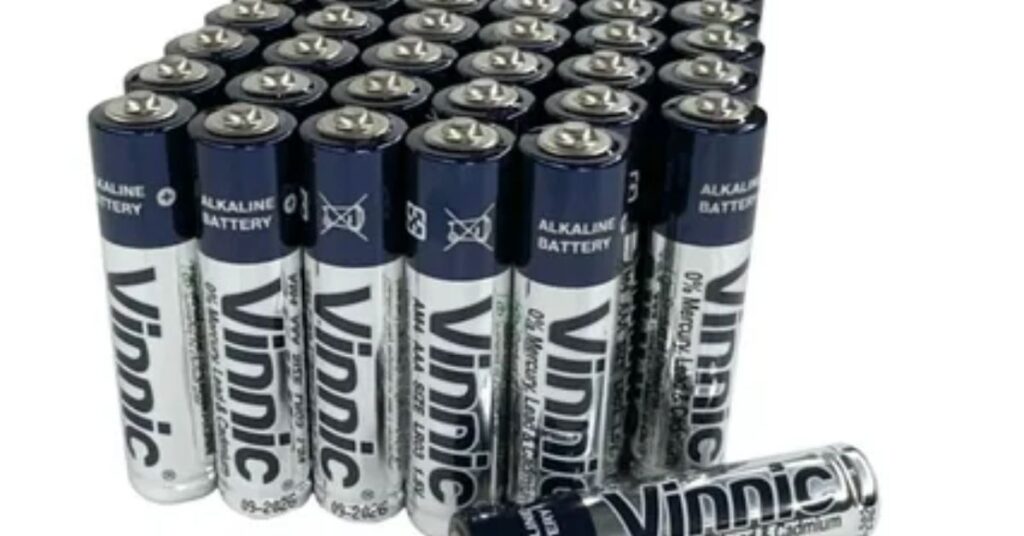
According to published specs from Energizer and Duracell, a standard alkaline AAA battery weighs around 11.5 grams, making it one of the closest single-object matches to 10 grams. Battery weight can shift slightly by brand and chemistry (lithium AAAs are noticeably lighter), but alkaline versions consistently land just above the 10-gram mark.
This comparison is useful because batteries are dense and compact, unlike bulkier items of similar weight. If you’re trying to judge how heavy is 10 grams without a scale, holding a single AAA battery gives an almost identical sensation, just slightly heavier.
For contrast, a larger AA battery weighs about 23 grams, more than double a AAA, while a small lithium coin-cell battery like a CR2032 weighs only around 3 grams. Lining up all three shows how much battery weight can shift within the same product category, even when the batteries look similar in shape.
More Posts: [How Much Does an AA Battery Weigh? Full Breakdown]
A Standard USB Flash Drive
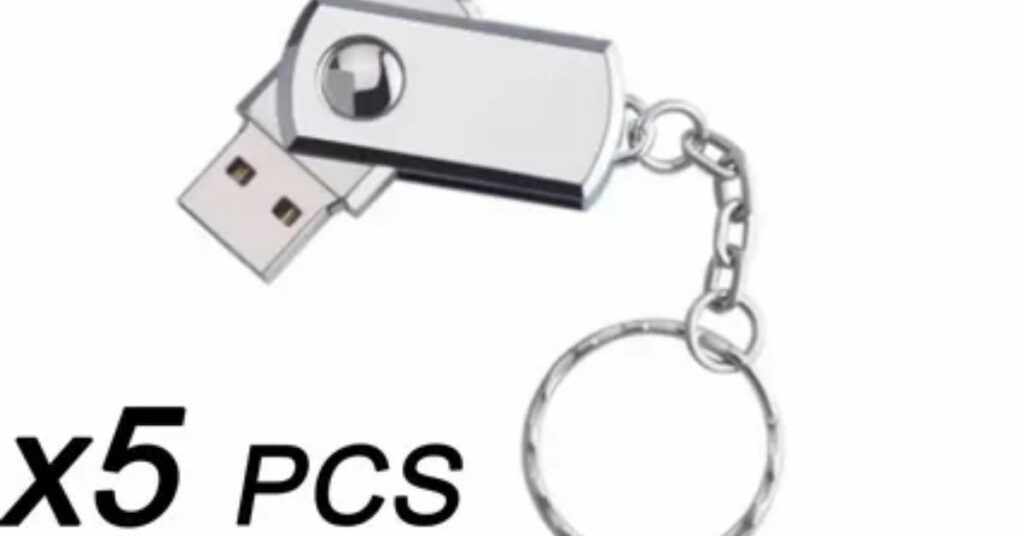
Small USB flash drives, like the classic SanDisk Cruzer style, typically weigh between 8 and 10 grams, depending on the casing material. Plastic-bodied drives sit at the lighter end, while metal-cased drives can push slightly past 10 grams, which makes USB flash drive weight a great real-world example of how small design choices affect a product’s mass.
This comparison also highlights a small household items weight and a piece of everyday tech, side by side. It’s a good reminder that “10 grams” isn’t always one exact number it’s often a narrow range that different real products land within.
Something no competitor explained: the weight difference between plastic and metal USB drives is rarely about storage capacity at all. A 16GB and a 128GB drive from the same product line often weigh nearly the same, since the flash memory chip itself contributes only a fraction of a gram the casing material is what really moves the needle on total weight.
A Tablespoon of Granulated Sugar
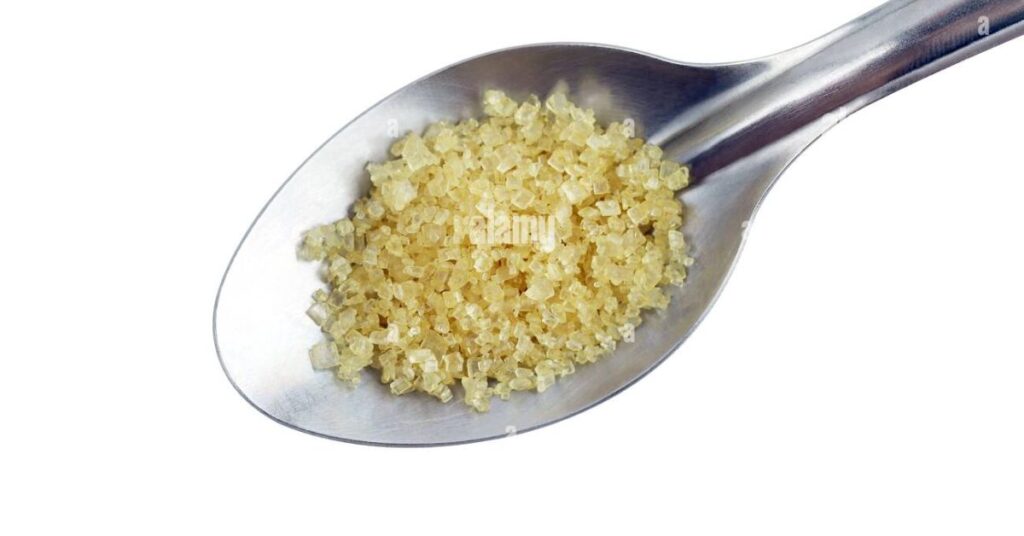
Data from the USDA FoodData Central database lists a tablespoon of granulated sugar at approximately 12.5 grams, making it a slightly heavier but still useful 10 gram comparison for anyone cooking or baking. Because kitchen measuring spoons are already in most homes, this is one of the easiest ways to visualize 10 grams without buying anything new.
This matters in the kitchen especially, since many nutrition labels and recipes list ingredients in grams rather than teaspoons or cups. Knowing that a tablespoon of sugar sits just above 10 grams helps with portion estimates when a digital kitchen scale isn’t within reach.
By comparison, a level teaspoon of sugar weighs closer to 4.2 grams, meaning it takes just over two teaspoons to approach the 10-gram mark. This distinction is genuinely useful for anyone managing sugar intake, since recipes and nutrition labels don’t always agree on whether they mean a teaspoon or a tablespoon.
Ten US $1 Bills
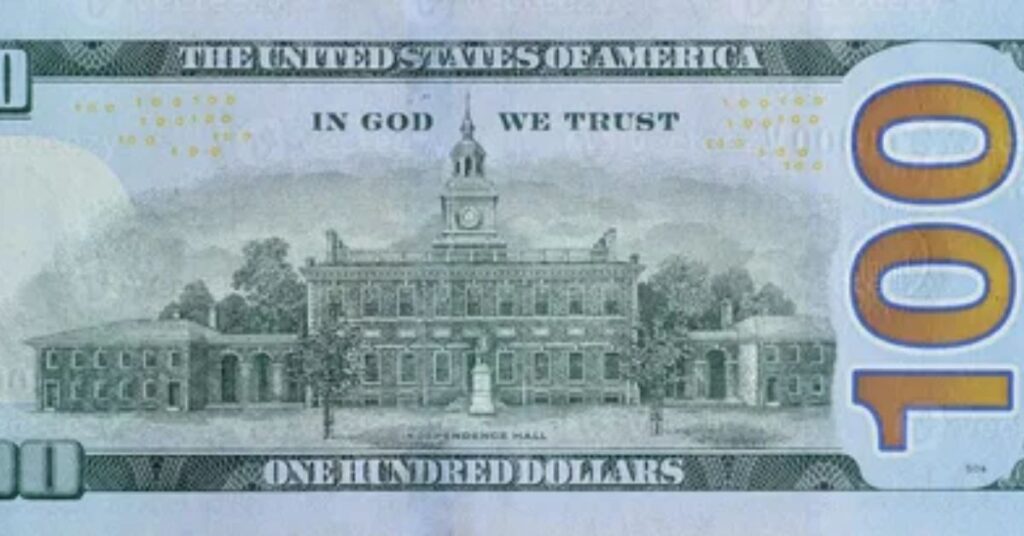
The Bureau of Engraving and Printing states that a single US dollar bill weighs about 1 gram, regardless of its denomination, meaning a stack of ten one-dollar bills lands right at 10 grams. This is a fun, tactile 10 gram comparison because most people have handled cash and can recall roughly how a small stack feels in the hand.
It’s also a handy trick for estimating larger amounts of paper currency a stack of 100 bills, for instance, weighs close to 100 grams. That kind of everyday math is one of the more surprising and genuinely useful facts about how much is 10 grams in practical terms.
This trick works because every US bill, from a $1 to a $100 note, is printed on the same cotton-linen blend and cut to the same size, so denomination doesn’t change the weight. It’s a small but genuinely useful shortcut for anyone estimating the mass of cash for shipping, storage, or simple curiosity.
How to Measure 10 Grams Without a Kitchen Scale
Not everyone has a digital kitchen scale on hand, so it helps to know how to measure 10 grams at home using what’s already available. The two nickels or ten paper clips from above are the most reliable DIY reference weights, since their individual gram values are well documented and consistent.
To estimate 10 grams without a scale, start by holding one of those reference objects in one hand and the item you’re measuring in the other. If they feel roughly equal, you’re close. This method isn’t lab-precise, but it’s accurate enough for everyday situations like guessing a small parcel’s postage weight or checking whether a recipe portion looks right.
For anything that actually requires exact accuracy mailing packages, dosing supplements, or jewelry a proper digital kitchen scale is still the better tool, since even trained hands can misjudge small weights by a gram or two.
Where Does 10 Grams Appear in Daily Life?
Once you start looking for it, 10 grams shows up constantly in ordinary routines. A single-serve packet of ketchup, a vitamin gummy or two, a small keychain, and a tube of lip balm all fall close to this weight, which is part of why 10 grams weight comparisons are so relatable the objects are already sitting in a kitchen drawer or a bag.
It’s also common in shipping and packaging. Many small electronics accessories, jewelry pieces, and cosmetics samples are labeled in single-digit or low-double-digit grams, since postal carriers price small parcels by weight brackets. Knowing that 10 grams is “two nickels” or “a AAA battery” makes reading those shipping labels far more intuitive than staring at an unfamiliar number.
Finally, 10 grams appears often in nutrition and supplement labeling. Protein powders, collagen packets, and pre-portioned snack pouches frequently use 10-gram servings, since it’s a convenient, easy-to-scale round number for manufacturers. Once this measurement clicks using a physical object like a battery or a coin, reading those labels becomes second nature.
FAQ’s
How do I measure 10 grams?
You can measure 10 grams accurately using a digital kitchen scale. Without a scale, the amount varies by ingredient, so spoon measurements are only estimates.
Is 10 grams half an ounce?
No. Ten grams equals about 0.35 ounces, while half an ounce is approximately 14.17 grams.
How much is 10 grams in tola?
Ten grams is approximately 0.86 tola, since 1 tola equals 11.66 grams.
Is 10 g 1 kg?
No. 10 grams is 0.01 kilograms, and 1 kilogram equals 1,000 grams.
How much is 10 grams in pounds?
10 grams is about 0.022 pounds, which is far too small a fraction to be practical for everyday use. This is why pounds are rarely used to describe anything lighter than about 50–100 grams.
What everyday items weigh exactly 10 grams?
Two US nickels and ten jumbo paper clips both weigh exactly 10 grams. Both are precisely documented by manufacturers, making them reliable, low-cost reference weights for checking a scale at home.
Is 10 grams a lot of sugar or salt?
10 grams is a moderate, noticeable amount close to two teaspoons. In nutrition terms, 10 grams of added sugar is meaningful; the American Heart Association recommends limiting total daily added sugar to roughly 25–36 grams, so 10 grams is a fair chunk of that daily limit.
What does 10 grams feel like in your hand?
10 grams feels light but distinctly present, similar to a AAA battery. It’s heavier than a single sheet of paper but far lighter than a smartphone, making it a useful mental “middle ground” for small weight estimates.
Final Thoughts
So, how much is 10 grams, really? It’s the weight of two US nickels, ten jumbo paper clips, a AAA battery, a small USB flash drive, a heaping tablespoon of sugar, or ten one-dollar bills. None of these objects look particularly heavy on their own, but lining them up side by side shows just how consistent and surprisingly common the 10-gram mark is in daily life.
Whether you’re double-checking a digital kitchen scale, estimating a shipping weight, or just satisfying curiosity about 10 grams weight, these six comparisons give a fast, accurate mental reference. Each object tells a slightly different part of the story coins and bills confirm the exact number, while batteries, flash drives, and sugar show the small natural range that real-world products fall into.
The takeaway: next time you need to picture 10 grams, skip the guesswork and reach for two nickels it’s the most exact, most accessible answer there is. And if a nickel isn’t handy, a AAA battery or a stack of ten dollar bills will get you close enough for almost any everyday situation.