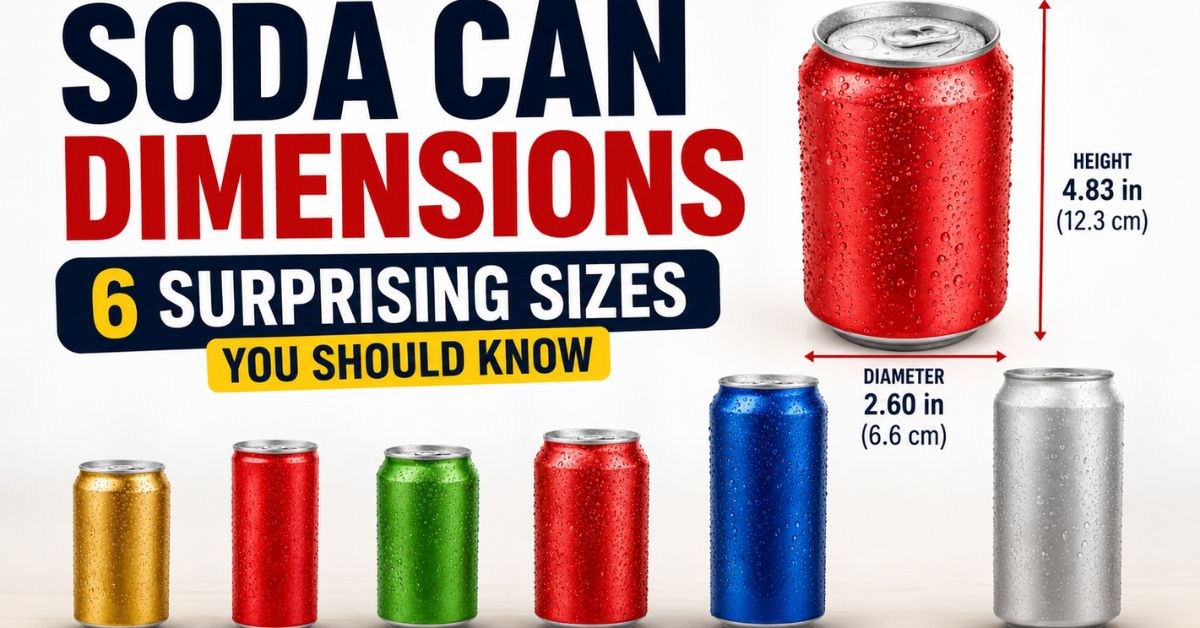
Soda Can Dimensions 6 Surprising Sizes You Should Know
A standard soda can measures about 4.83 inches tall and 2.6 inches in diameter, holding 12 ounces (355 ml). That’s the size most people picture when they hear “soda can dimensions,” but beverage cans actually stretch from tiny 7.5 oz minis to tall 19.2 oz single-serve cans.
Knowing the exact beverage can size matters more than it sounds. If you’re designing packaging, stocking a vending machine, building a cooler insert, or just trying to figure out if a case of soda will fit on your pantry shelf, the small differences between can shapes add up fast. This soft drink can size guide breaks down six real, everyday can types with their height, diameter, and volume.
What most articles skip is the neck diameter versus the body diameter the two numbers aren’t the same, and mixing them up is a common mistake when ordering can coolers, koozies, or custom packaging inserts.
How Big Is a Standard Soda Can?
Soda can dimensions follow a set of industry standards set decades ago by can manufacturers like Ball Corporation and Crown Holdings, which still produce the majority of aluminum beverage containers sold in the United States today. While recipes and branding change constantly, the physical can shapes have stayed remarkably consistent because they’re built for the same filling lines, vending machines, and grocery shelves across the industry.
Below you’ll find the standard can measurements for six of the most common sizes, how they compare to each other, and where each one shows up in daily life.
Read More: How Much Is 10 Grams? 6 Surprising Everyday Items
Quick Conversion Table
Here’s how the standard 12 oz soda can dimensions convert across the most common units.
| Measurement | Inches | Centimeters | Millimeters | Metric Volume |
| Height | 4.83 in | 12.27 cm | 122.7 mm | — |
| Body Diameter | 2.60 in | 6.60 cm | 66.0 mm | — |
| Top (Lid) Diameter | 2.13 in | 5.41 cm | 54.0 mm | — |
| Volume | 12 fl oz | — | — | 354.9 ml (0.355 L) |
Quick Reference Table
| Object | Approx. Measurement | Closeness Score (X/10) | Best Situation/Use |
| Standard 12 oz Can | 4.83 in tall, 2.6 in wide | 10/10 | Everyday soda, most vending machines |
| Slim 12 oz Can | 6.13 in tall, 2.13 in wide | 6/10 | Energy drinks, seltzers, premium branding |
| 16 oz Tall Can | 6.19 in tall, 2.6 in wide | 7/10 | Craft beer, larger energy drinks |
| Mini 7.5 oz Can | 4.83 in tall, 2.13 in wide | 5/10 | Portion control, kids’ lunches, mixers |
| 8.4 oz Energy Can | 4.96 in tall, 2.09 in wide | 5/10 | Energy drinks, Red Bull-style cans |
| 19.2 oz Stubby Can | 5.0 in tall, 3.15 in wide | 4/10 | Single-serve gas station beer |
Common Beverage Can Sizes Explained
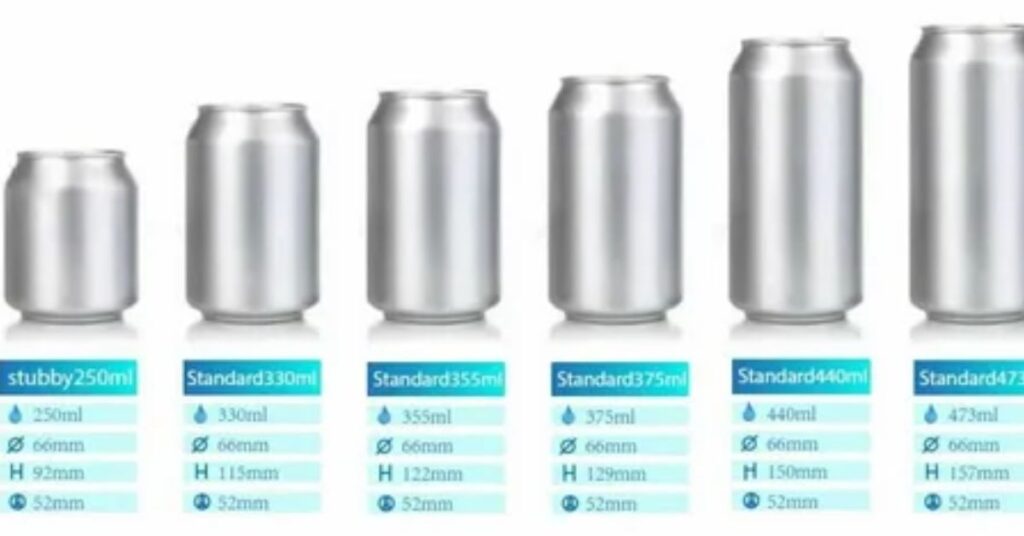
The Standard 12 oz Soda Can
The classic 12 oz (355 ml) can used by Coca-Cola, Pepsi, and most major soft drink brands stands 4.83 inches tall with a 2.6-inch body diameter. This is the shape that defined vending machine slots, six-pack rings, and refrigerator door shelves across North America for generations. The Can Manufacturers Institute lists this as the most widely produced beverage container size in the country.
This size matters practically because almost every cooler, fridge organizer, and can holder on the market is built around it first. If a product listing doesn’t specify a can shape, this is usually the default it’s referring to, which makes it the safest baseline for comparing standard can measurements.
The Slim 12 oz Can
Brands like Red Bull, White Claw, and several craft seltzer companies use a slim 12 oz can that holds the same volume but reshapes it into a narrower, taller cylinder roughly 6.13 inches tall and only 2.13 inches in diameter. The taller profile is a deliberate soda can dimensions choice meant to signal a premium or lighter product on the shelf compared to a traditional soft drink can.
Key distinction: despite looking much bigger than a standard can, a slim can holds the exact same 12 oz. It’s an illusion of size, not an actual increase in beverage container dimensions or volume useful to know before assuming a taller can means more product.
The 16 oz Tall Can
The 16 oz (473 ml) tall can, popular with craft breweries and larger energy drink lines like Monster, measures about 6.19 inches tall with the same 2.6-inch diameter as a standard can essentially a stretched version of the classic shape. This aluminum can dimensions format has become the default “tall boy” size across the U.S. beverage industry since the mid-2010s.
Because it shares the standard can’s diameter, a 16 oz tall can fits most cup holders and can coolers built for 12 oz cans, even though it’s noticeably taller. That makes it one of the more forgiving sizes to stock or package without buying new equipment.
The Mini 7.5 oz Can
Coca-Cola’s mini cans, along with similar offerings from Sprite and Dr Pepper, hold 7.5 oz (222 ml) in a can that’s the same 4.83-inch height as a standard can but slimmer at 2.13 inches in diameter. These mini soda cans were introduced largely for portion control and multi-pack variety, giving shoppers a smaller commitment than a full 12 oz can measurements format.
Something no competitor explained clearly: the mini can uses the same height as the full-size can, just a narrower body so it’s not simply a “shrunk” version, it’s a different diameter-to-height ratio entirely. That’s part of why mini cans feel oddly proportioned compared to a scaled-down standard can.
The 8.4 oz Energy Drink Can
Red Bull’s original can size, now copied by Monster Energy’s smaller lines and several sparkling water brands, holds 8.4 oz (250 ml) and stands about 4.96 inches tall with roughly a 2.09-inch diameter. This is one of the most recognizable energy drink can dimensions worldwide since it launched the modern energy drink category in the late 1980s.
This size matters for stocking and shipping because 8.4 oz cans are often boxed in taller, narrower case configurations than standard soda, which changes the beverage packaging dimensions retailers need to plan shelf space around. Ordering the wrong case size is a common mistake for new store owners.
The 19.2 oz Stubby Can
Often sold as a single-serve option at gas stations, the 19.2 oz stubby can used by brands like Busch and Natural Light is wide and short about 5.0 inches tall but a wide 3.15-inch diameter, nearly double the width of a standard can. This beverage can height and diameter combination makes it the outlier on this list, prioritizing a squat, grab-and-go shape over the tall cylinder used everywhere else.
The wide base means stubby cans typically don’t fit standard can coolers, cup holders, or six-pack rings designed for narrower cans, so retailers often shelve them separately. It’s a useful reminder that “can capacity” and “can shape” aren’t the same conversation.
Read More: How Tall Is a Dollar Bill? 2.61 Inches – The Surprising Real Size (2026)
Where Does Soda Can Size Appear in Daily Life?
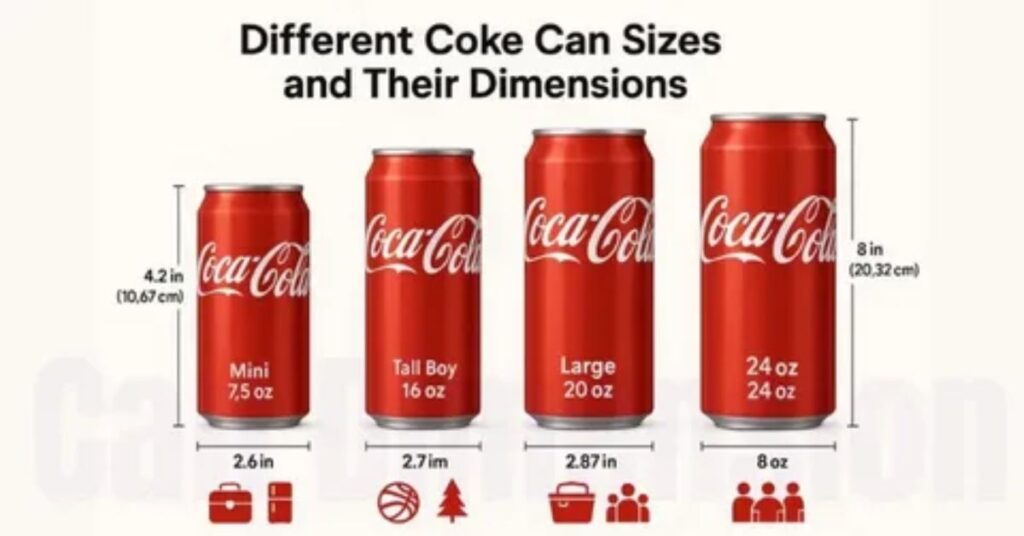
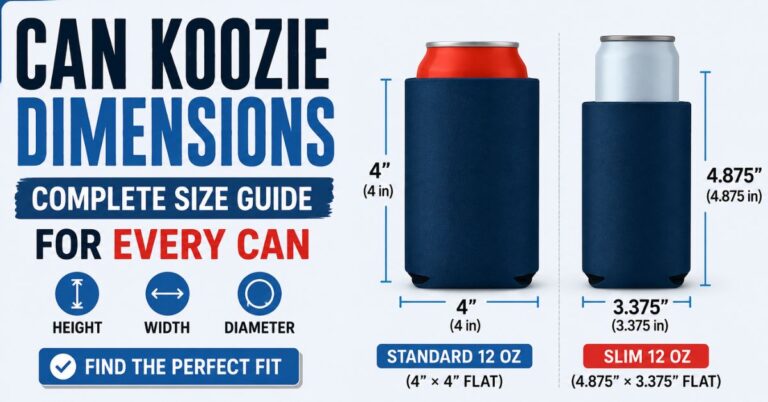
Soda can dimensions quietly shape more everyday objects than people realize. Vending machine coils, car cup holders, six-pack ring templates, koozies, and even the standard shelf spacing in convenience store coolers are all built around the 2.6-inch diameter of a standard can. Shipping companies also calculate case dimensions for shipping using these same beverage can specifications, since a few millimeters of difference across a pallet of cans adds up to real space and weight differences.
Recycling aluminum cans is another place where can size drives logistics sorting facilities calibrate their equipment around the standard can measurements, which is one reason unusually shaped cans (like the 19.2 oz stubby) sometimes get pulled aside for manual sorting instead of automated processing.
FAQ’s
What is the average size of a soda can?
The average soda can holds 12 fl oz (355 mL) and measures about 4.83 inches (12.3 cm) tall with a 2.6-inch (6.6 cm) diameter. It is the most common beverage can size in the U.S.
What are the dimensions of a 330mL can?
A standard 330 mL can is approximately 4.53 inches (11.5 cm) tall and 2.6 inches (6.6 cm) in diameter. Slight variations may occur depending on the manufacturer.
How tall is a 250ml soda can?
A typical 250 mL slim soda can is about 5.3 inches (13.4 cm) tall with a 2.1-inch (5.3 cm) diameter. Slim cans are commonly used for energy drinks and soft drinks.
What are the dimensions of a Coca-Cola can?
A standard 12 oz (355 mL) Coca-Cola can measures about 4.83 inches (12.3 cm) in height and 2.6 inches (6.6 cm) in diameter. Mini and slim Coca-Cola cans have different dimensions based on their capacity.
What is the diameter of a soda can?
The body diameter of a standard soda can is 2.6 inches (66 mm), while the narrower top rim measures about 2.13 inches (54 mm). This taper is what allows cans to stack securely inside cases and coolers.
How many ounces are in a standard soda can?
A standard soda can holds 12 fluid ounces, equal to 354.9 ml. This is the most common soft drink can size in the U.S., though 8.4 oz, 16 oz, and 19.2 oz cans are also widely sold.
Are all soda can dimensions the same?
No — soda can dimensions vary by brand and category. Standard cans, slim cans, tall cans, and stubby cans all hold different volumes and use different height-to-diameter ratios, even when some share the same overall capacity.
How do I measure a soda can without a ruler?
A dollar bill is about 6.14 inches long, close to the height of a 16 oz tall can, making it a rough at-home stand-in when a ruler isn’t handy. For diameter, a standard credit card is 3.37 inches long, wider than most can diameters, making it useful for a quick visual comparison.
Read More: Monster Can Dimensions: 8 Real Size Facts You Should Know (2026)
Final Thoughts
Soda can dimensions aren’t one-size-fits-all. The standard 12 oz can 4.83 inches tall and 2.6 inches wide remains the industry default, but slim cans, tall boys, minis, energy drink cans, and stubby cans each solve a different shelf, branding, or portion-size problem. Knowing the real soda can dimensions behind each format makes it easier to pick the right cooler, case, or packaging setup instead of guessing. Next time you grab a can, take a second look the shape is doing more work than it gets credit for.