
 Abdul Moeed
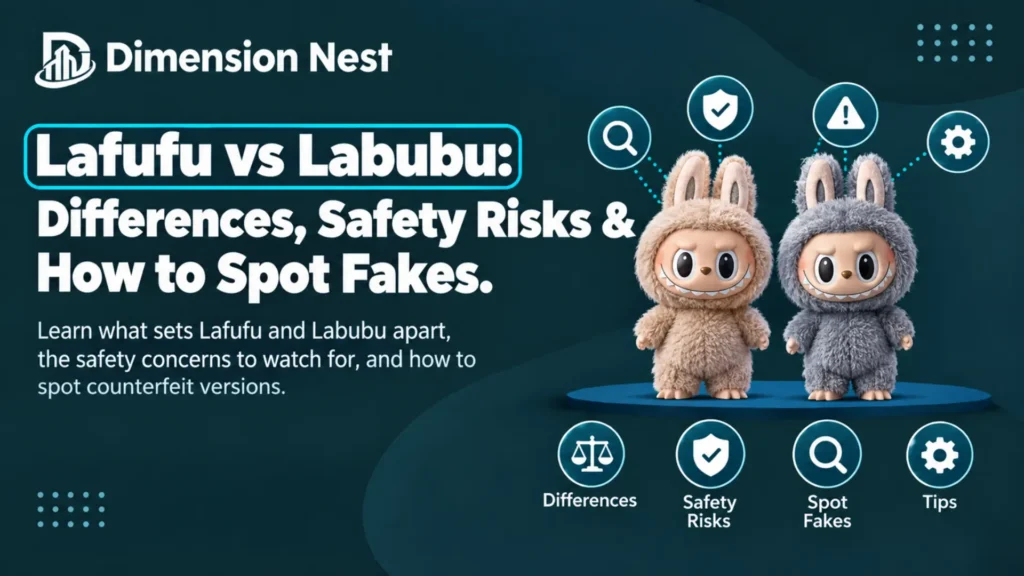
A collector opens a Labubu box from an online seller and notices the grin looks slightly off. That moment sums up the lafufu vs labubu problem facing toy buyers around the world since 2024.
Labubu is the original monster plush sold by Pop Mart, while Lafufu is the nickname for counterfeit copies. Serious collectors measure small details the way card fans study pokemon card dimensions before a trade.
This guide compares both toys across teeth, feet, packaging, QR codes, price, and child safety. It also walks through a step by step verification method, common mistakes, and a buyer checklist.
Quick Answer: What Is the Difference Between Lafufu vs Labubu?
A Labubu is the authentic Pop Mart collectible, and a Lafufu is an unlicensed counterfeit copy. Real Labubus show nine teeth, a matte peach face, a clean foot logo, and a verifiable QR code. Lafufus often miss these marks and may break into small parts that endanger young children. Some fakes look convincing, so buyers usually need several checks instead of one single test.
Labubu and Lafufu at a Glance
Both toys share the same rabbit ears and jagged smile at first sight. The table below lists the main differences collectors check before and after a purchase.
| Feature | Labubu (Authentic) | Lafufu (Counterfeit) |
|---|---|---|
| Maker | Pop Mart under license | Unknown factories |
| Teeth | Exactly nine | Often more or fewer |
| Face color | Soft matte peach | Neon pink or orange |
| Foot logo | Crisp Pop Mart print | Faint, blurry, or missing |
| QR code | Leads to official Pop Mart check | Broken, slow, or fake site |
| Box finish | Matte with pull tab | Shiny or flimsy |
| Safety record | Meets toy rules | Linked to choking warnings |
The fastest single signal is the tooth count, but a full check combines face, feet, and packaging.
What Is a Labubu?
Labubu is a mischievous elf character from The Monsters story series by artist Kasing Lung. The character appears as a furry plush with a vinyl face, tall ears, and a toothy grin. Pop Mart sells Labubu mainly through blind boxes, so buyers rarely know which design sits inside.
Who Created Labubu?
Kasing Lung was born in Hong Kong in 1972 and grew up in the Netherlands. He later settled in Belgium and built his art around European fairy tales and Nordic folklore. Labubu first appeared in 2015 inside his illustrated series called The Monsters.
The Monsters tribe also includes characters named Zimomo, Tycoco, Spooky, and Pato. Each character carries its own personality, but Labubu became the face of the whole series. Fans often call any member of the tribe a Labubu, although only one character holds that name.
How Pop Mart Turned Labubu Into a Global Collectible
A Hong Kong studio called How2Work produced the first Monsters figures between 2015 and 2019. In 2019, Kasing Lung signed an exclusive license with Pop Mart, a Chinese designer toy company. Pop Mart placed Labubu into its blind box format and released new series on a steady schedule.
The partnership turned an art character into a mass market collectible within five years. Pop Mart has since released more than 300 Labubu styles, according to news coverage from 2025. Brand collaborations with Uniqlo and Coca Cola pushed the character into fashion and food culture.
Popular series include Exciting Macaron from 2023, Have a Seat, and the Big into Energy release. Each series carries its own colors, outfits, and secret editions that collectors chase for months.
What Is a Lafufu?
A Lafufu is any unlicensed copy of a Labubu sold as the real toy or near it. Collectors invented the playful name to separate counterfeits from authentic Pop Mart products. Sellers market Lafufus as plush figures, keychains, and bag charms on marketplaces and street stalls.
Why Do Lafufus Exist?
Authentic Labubus sell out quickly, and resale prices often climb far above the original retail price. That gap between demand and supply invites factories to copy the design and sell cheaper versions. Some sellers label them honestly as replicas, while others pass them off as genuine Pop Mart stock.
A common scam places a Lafufu inside an authentic Labubu box and reseals the flap carefully. Buyers who check only the box can miss this trick until the toy comes out.
Is a Lafufu Illegal?
US safety officials described the fake dolls as dangerous and illegal in an August 2025 alert. Counterfeits copy protected artwork and branding without permission from Pop Mart or the artist. Customs agents in several countries can seize these goods, and sellers may face penalties under local law.
Owning a single Lafufu is usually not a crime for a private buyer in most places. Selling counterfeits as genuine products, though, breaks consumer protection and trademark rules in many markets.
Why Did Labubu Become So Popular?
Labubu grew slowly after 2019, but demand exploded during 2024 across Asia, Europe, and North America. Celebrities such as Lisa from Blackpink, Rihanna, and Dua Lipa clipped the dolls onto designer bags. Unboxing videos spread across social media and turned each blind box into a small piece of entertainment.
Scarcity added fuel to the trend, since limited editions sold out within minutes online. UK reports in 2025 described stores pulling Labubus from shelves after fights broke out among shoppers. Many buyers turned to resale sites, and that move opened the door for counterfeit sellers.
In simple words, Labubu is the art toy fans chase, and Lafufu is the shortcut scammers sell.
Lafufu vs Labubu: Physical Differences
The toy itself carries most of the clues once it leaves the box. Counterfeiters copy the overall look, but they struggle with paint, stitching, and printed marks.
| Body Part | Authentic Labubu | Typical Lafufu |
|---|---|---|
| Teeth | Nine even teeth | Extra, missing, or uneven teeth |
| Eyes | Clean paint lines | Smudged or chipped paint |
| Face | Matte peach tone | Glossy, pink, or orange tone |
| Fur | Soft and even | Patchy or stiff |
| Stuffing | Smooth and firm | Lumpy or loose |
| Left foot | Clear Pop Mart and Kasing print | Blurry, faint, or absent |
| Right foot | UV silhouette on newer editions | No glow or distorted glow |
No single row proves authenticity alone, so collectors compare at least four rows before deciding.
Count the Teeth First
A genuine Labubu shows exactly nine teeth spread evenly across its wide grin. Counterfeit factories often add a tooth, drop a tooth, or paint the teeth unevenly across the mouth. The Better Business Bureau and the Consumer Product Safety Commission both cite tooth count first.
Hold the doll under bright light and count from left to right slowly. Teeth on real dolls sit evenly, with crisp edges and no paint bleeding into the lips.
Study the Face Color and Paint
Pop Mart representatives told Good Morning America that their figures feature clean sculpting and precise paint. Real Labubu faces show a soft peach tone with a matte surface and gentle blush on the cheeks. Lafufu faces often look neon pink, bright orange, or shiny under normal room light.
Look closely at the eyes, nose, and teeth for chipped or sloppy paint. Smudges around the eye outline or uneven blush patches usually point toward a counterfeit doll.
Check Both Feet
The left foot of a real Labubu carries a crisp Pop Mart logo printed in dark ink. Many guides describe two clear lines of text showing the Pop Mart name and a Kasing Lung credit. Fakes might copy the logo, but the print often matches the plush color and fades into the fabric.
Newer editions released from 2024 onward also hide a stamp on the right foot. This stamp shows a small Labubu silhouette that glows only under ultraviolet light. Older editions may lack this mark, so its absence alone does not prove a fake.
Inspect Stitching, Fur, and Stuffing
Run fingers along the seams around the ears, arms, and body of the doll. Authentic seams sit flat and tight, while counterfeit seams often show gaps, puckers, or loose threads. Real fur looks soft and even, but cheap copies use patchy fabric that sheds or mats quickly.
Squeeze the body gently to test the stuffing for lumps or empty pockets. Uneven stuffing suggests rushed production, which also raises the risk of parts tearing away.
Compare Size and Proportions
Collector guides cite a standard height of about 4.5 inches for many Labubu figures. That height sits close to everyday objects listed in the 5 inches size guide on Dimension Nest. Some fakes run slightly taller or shorter, so a ruler check helps when the doll looks off.
Sizes differ between series, so compare the measurement with the listed size for that exact release. Ears, head, and body should match official photos in proportion, without stretched or squashed parts.
Lafufu vs Labubu: Packaging Differences
Packaging gives buyers a chance to spot problems before opening anything inside the box. Still, scammers sometimes reuse genuine boxes, so packaging checks work best alongside toy checks.
| Packaging Item | Authentic Labubu | Typical Lafufu |
|---|---|---|
| Box surface | Matte texture | Shiny or glossy texture |
| Opening | Cardboard pull tab | Glued flap or missing tab |
| Printing | Pastel colors, sharp lines | Bold colors, blurry text |
| Hologram | Clear Pop Mart sticker | Missing or dull sticker |
| QR code | Official Pop Mart check page | Broken link or lookalike site |
| Identity card | Pastel, crisp print | Dark tones, rough print |
| Desiccant pack | Pop Mart logo in clear print | Plain or blurry pack |
A box that passes every row still needs a toy check, since resealed boxes remain a common scam.
Box Finish and Pull Tab
Consumer group Choice in Australia reports that genuine boxes use a matte texture and a cardboard pull tab. Counterfeit boxes often look glossy and open with a glued flap instead of the tab. Printed artwork on real boxes shows pastel colors, sharp outlines, and correct spelling throughout.
Check the corners and seals for tears, extra glue, or signs of a second sealing. A box that looks reopened deserves extra checks before any money changes hands.
Hologram Sticker and QR Code
Authentic boxes carry a holographic Pop Mart sticker that links to an official verification page. The US Consumer Product Safety Commission listed this sticker among the main signs of a genuine doll. Scanning the code should open the official Pop Mart site and show details for that product.
Fake codes may open a lookalike site, load slowly, or fail to open at all. Some guides also mention a first query status, which shows whether someone scanned that code before. A new box that shows several earlier scans suggests the box or code came from another doll.
Identity Card, Foil, and Desiccant
Real Labubu boxes include an identity card printed in light pastel tones with crisp text. Counterfeit cards often use darker colors and rough paper that smears under a fingertip. The small desiccant pack inside genuine boxes also carries a Pop Mart logo in clear print.
Some collectors check the inner foil bag that wraps the doll inside the box. Guides from Shopee Singapore describe genuine foil with a glossy printed outside and a matte inner surface.
Is a Lafufu Safe?
A Lafufu is not considered safe for young children, according to US safety officials. In August 2025, the US Consumer Product Safety Commission warned buyers to stop using fake Labubus immediately. The agency said the dolls fit inside a small mouth and can block a child’s airway.
The same alert mentioned reports of fakes breaking apart and releasing small pieces that cause choking risks. Investigators found multiple shipments from China and asked customs to seize thousands of hazardous units. The agency reported no injuries at that time, but it still urged families to keep fakes away.
The Chartered Trading Standards Institute in the UK issued a similar warning earlier that month. It said many counterfeits carry small detachable parts such as eyes, hands, and feet.
| Safety Signal | What It Suggests | First Check |
|---|---|---|
| Loose eyes or teeth | Weak glue or cheap parts | Tug gently on each part |
| Missing warning label | No safety testing | Read every tag and label |
| Torn seams | Stuffing may escape | Inspect seams around limbs |
| Strong chemical smell | Unknown materials | Air the toy and check origin |
Any doll that fails these safety checks belongs out of reach of babies, toddlers, and pets.
Real Labubu vs Lafufu Price Comparison
Price often reveals a counterfeit listing before any physical check of the doll takes place. Fans in the UK reported that a listing under £10 almost always signals a Lafufu. The same reports place the real toy at about £25 or more through regular channels.
| Price Signal | Likely Meaning | Buyer Action |
|---|---|---|
| Far below retail | Most likely fake | Skip the listing |
| Near official retail | Possibly genuine | Verify seller and codes |
| Moderate resale markup | Common for popular series | Request detailed photos |
| Extreme markup on common design | Possible scam or bait | Compare with recent sales |
Prices that look too high can also hide fakes, since scammers copy resale prices to appear legitimate.
Counterfeit, Dupe, Custom, and Inspired Toys Compared
Shoppers often mix up several terms that sound similar but carry different meanings. This section separates them so buyers know exactly what a listing offers.
| Term | Meaning | Sold As Labubu? |
|---|---|---|
| Counterfeit Lafufu | Copy using Pop Mart branding | Yes, falsely |
| Dupe | Openly labeled lookalike | No, sold as a replica |
| Inspired toy | Original monster with similar style | No |
| Custom Labubu | Genuine doll altered by an owner | Yes, but modified |
A dupe still carries the same safety risks as a counterfeit if it lacks proper testing.
Why Some Collectors Choose a Lafufu Anyway
A segment of fans buys Lafufus on purpose and treats them as a separate hobby. Some buyers dislike long queues, crowded store launches, and high resale prices for authentic dolls. Others enjoy the odd faces and strange mistakes that make each fake look unique.
Craft fans also use cheap copies as blank bases for painting, sewing, and custom outfits. This choice works for adults who know what they bought and keep the toys away from children. Buying a fake still sends money to counterfeit factories instead of the artist who created the character.
Parents should weigh these trends carefully before buying any monster plush for a young child. A genuine Labubu costs more, but it comes from a licensed maker with traceable products.
How to Verify a Labubu: Step by Step
The steps below follow the order most collectors use when they buy from resale sellers. Each step removes a different kind of fake, so skipping steps leaves gaps.
Step 1: Check the Seller Before Paying
Buy directly from Pop Mart stores, the official Pop Mart app, or authorized retail partners. When buying secondhand, read seller ratings, recent reviews, and the account age before sending payment. Avoid sellers who refuse to share photos or push buyers to pay outside the platform.
Step 2: Inspect the Box Before Opening
Look for a matte finish, a cardboard pull tab, sharp printing, and a holographic Pop Mart sticker. Check the seals for extra glue, cuts, or signs that someone opened the box before. Photograph the box from every side so the evidence stays available for any later dispute.
Step 3: Scan Both QR Codes
Scan the code on the box and the code on the fabric tag of the doll. Both scans should open the official Pop Mart page and describe the same product. A mismatch between the two codes suggests a fake doll placed inside a real box.
Step 4: Count the Teeth and Study the Face
Count the teeth under bright light and confirm the total equals nine. Check the face for a matte peach tone, clean eye outlines, and even blush across both cheeks. Neon colors, glossy patches, or chipped paint point toward a counterfeit copy.
Step 5: Check the Left Foot Logo
Turn the doll over and read the print on the bottom of the left foot. The Pop Mart logo should appear crisp, centered, dark, and free of spelling errors. A faint print that blends into the fabric suggests a copy, not a genuine release.
Step 6: Use a UV Light on Newer Editions
Shine a small ultraviolet flashlight on the right foot of dolls released from 2024 onward. A real doll shows a Labubu silhouette that glows evenly under the light. Some collectors also report that genuine nose paint reacts to ultraviolet light, but results vary by series.
Step 7: Test Stitching, Stuffing, and Size
Pull gently on the ears, arms, and eyes to confirm that nothing comes loose. Press the body to check for lumps, then measure the height against the listed size for that series. Any doll that fails two or more checks should go back to the seller for a refund.
Seller check → Box check → QR scans → Teeth and face → Left foot → UV light → Stitching and size
Real World Example: A Resale Purchase That Went Wrong
The following illustrative case shows how a careful buyer can still miss a fake. A parent buys a sealed Have a Seat box from a marketplace seller for slightly below retail. The box looks matte, carries a hologram, and the QR code opens the official Pop Mart page.
After opening the box, the parent counts ten teeth and notices a pink, glossy face. The fabric tag code fails to load, and the left foot print looks faint and blurry. These signs suggest the seller placed a Lafufu inside a genuine box and resealed the flap.
The parent photographs the doll, contacts the marketplace, and files a counterfeit claim within the return window. The doll goes into a drawer, away from a younger sibling who might chew on it.
Buying Tips for Labubu Collectors
Smart buying habits protect both money and family safety during every Labubu purchase. These tips come from consumer safety agencies, collector communities, and official retailer guides:
- Buy from Pop Mart stores, the official app, or retailers listed as authorized Pop Mart partners.
- Ask resale sellers for close photos of the teeth, feet, tag, hologram, and identity card.
- Scan the box code and the tag code, and confirm both describe the same doll.
- Treat prices far below official retail as a strong signal that the listing hides a fake.
- Pay through platforms that offer buyer protection, refunds, and counterfeit claims for disputed items.
- Post photos in collector groups before buying, since experienced fans often spot fakes within minutes.
- Keep any doll with loose parts away from babies, toddlers, and pets until checked.
Common Mistakes When Comparing Lafufu vs Labubu
Most fake purchases happen because buyers rely on one check or rush the decision. The mistakes below show up again and again in collector forums and consumer reports.
1. Trusting the Box Alone
Genuine boxes can hold counterfeit dolls when scammers reseal them with care. A perfect box only proves the box came from Pop Mart, not the toy inside it.
2. Scanning Only One QR Code
Scanning the box code alone misses the swapped doll scam that many resellers use. Always scan the tag on the doll and compare both results side by side.
3. Relying on a Single Feature
Some advanced fakes now copy the nine teeth or the foot logo closely. Combining four or more checks gives a far stronger answer than any single test.
4. Chasing the Lowest Price
Deep discounts attract buyers, but they also attract counterfeit sellers looking for quick sales. A price far below retail usually costs more later through refunds, disputes, or safety problems.
5. Giving a Lafufu to a Young Child
Small fakes can fit inside a child’s mouth and break into choking hazards. Adults who keep a Lafufu should store it on a shelf, far from small hands.
6. Expecting a UV Stamp on Every Edition
Ultraviolet stamps appear on newer releases from 2024 onward, not on every older series. A missing stamp on an older doll does not prove a fake without other evidence.
Labubu Authenticity Checklist
Run through this list before paying for any Labubu from a source outside Pop Mart:
- The seller shows strong ratings, honest photos, and a payment method with buyer protection.
- The box shows a matte finish, a cardboard pull tab, and sharp pastel printing.
- A holographic Pop Mart sticker sits on the box and opens the official check page.
- The box code and the fabric tag code both match the same product and series.
- The doll shows exactly nine even teeth with clean paint and no bleeding edges.
- The face carries a matte peach tone without neon pink, orange, or glossy patches.
- The left foot shows a crisp Pop Mart logo and Kasing credit in dark print.
- Newer editions reveal a Labubu silhouette on the right foot under ultraviolet light.
- Seams sit tight, the fur looks even, and the stuffing stays smooth throughout the body.
- The height matches the official listing for that exact series within a small margin.
Frequently Asked Questions
What is the main difference in Lafufu vs Labubu?
The main difference in lafufu vs labubu comes down to authenticity and safety. A Labubu is the licensed Pop Mart collectible, while a Lafufu is an unlicensed counterfeit copy.
How many teeth does a real Labubu have?
A real Labubu has exactly nine teeth spread evenly across its grin. Lafufu counterfeits often show eight, ten, or uneven teeth with messy paint lines.
Is a Lafufu dangerous?
US safety officials warned in 2025 that Lafufus can cause choking in young children. Many fakes break apart easily and release small parts such as eyes and feet.
Who created Labubu?
Hong Kong born artist Kasing Lung created Labubu for his series The Monsters in 2015. Pop Mart has produced and sold Labubu under an exclusive license since 2019.
Can a fake Labubu come in a real box?
Yes, scammers sometimes place a Lafufu inside a genuine Labubu box and reseal it. Scanning both the box code and the tag code helps catch this swap quickly.
Does every real Labubu have a UV stamp?
No, ultraviolet foot stamps appear mainly on Labubu editions released from 2024 onward. Older genuine releases may lack the stamp, so buyers should use other checks too.
Why is it called a Lafufu?
Collectors created the name Lafufu as a playful twist on Labubu for counterfeit copies. The nickname helps buyers separate fake dolls from authentic Pop Mart releases in conversation.
How much does a real Labubu cost?
A real Labubu usually costs about £25 or more through official channels in the UK. Listings far below that price almost always point to a Lafufu, not the real toy.
Where can buyers get an authentic Labubu?
Buyers get authentic Labubus from Pop Mart stores, the official Pop Mart app, and authorized retailers. Resale purchases need careful checks of codes, teeth, feet, and seller history.
Is it legal to own a Lafufu?
Owning a single Lafufu is usually legal for private buyers, but selling counterfeits breaks many laws. Customs officials in the US have seized thousands of fake units under safety rules.
Key Takeaways
- Labubu is the authentic Pop Mart collectible, while Lafufu describes any unlicensed counterfeit copy of it.
- Kasing Lung created Labubu in 2015, and Pop Mart took an exclusive license in 2019.
- Real Labubus show exactly nine teeth, so counting teeth gives buyers the fastest first check.
- Authentic faces carry a matte peach tone, while fakes often look neon pink or glossy orange.
- The left foot of a genuine doll shows a crisp Pop Mart logo in dark print.
- Newer releases from 2024 onward hide a Labubu silhouette that glows under ultraviolet light.
- Genuine boxes use a matte finish, a pull tab, and a holographic Pop Mart sticker.
- Scanning both the box code and the doll tag code catches the common box swap scam.
- US safety officials warned in 2025 that Lafufus can break apart and cause choking.
- Prices far below official retail usually signal a counterfeit, not a lucky bargain.
- Combining four or more checks gives a far stronger answer than relying on a single feature.
Final Thoughts
The lafufu vs labubu debate matters because real money and child safety sit on the line. A careful buyer checks the seller, the box, both codes, the teeth, the feet, and the stitching. Those checks take five minutes and save buyers from refunds, disputes, and dangerous toys at home.
Collectors who choose a Lafufu on purpose should keep it away from children and know its limits. For everyone else, buying from Pop Mart or trusted partners remains the safest path to a genuine doll.
Explore more practical size and buying guides on Dimension Nest.