
 Abdul Moeed
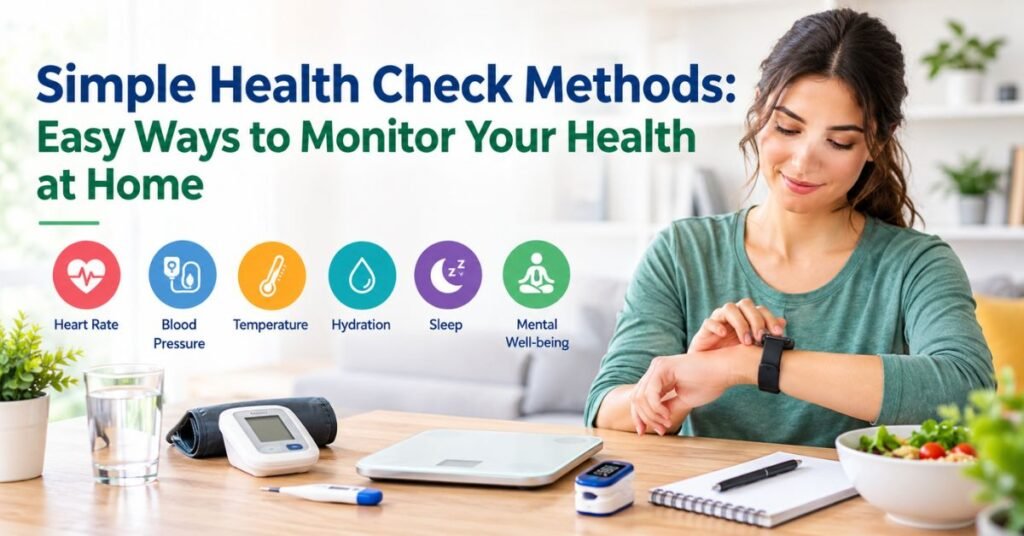
Your body sends signals every day. Most people miss them. I’m a little tired here. A skipped meal there. These small signs often mean nothing. But sometimes, they add up to something bigger. That is why simple health check methods matter so much.
You do not need a hospital or fancy tools to monitor your health at home. You just need attention and a little routine. This guide will show you easy ways to track your body, spot early warning signs, and build healthy lifestyle habits that last. Whether you live in a big city or a small village, these steps work the same way for everyone.
Understand Your Personal Health Baseline
Before you check anything, you need a starting point. This is called your health baseline. It is like a map of what “normal” looks like for you. Without it, you cannot tell what has changed.
To establish a personal baseline, track your resting heart rate, your energy, your sleep, and your digestion for about two weeks. Do not change your habits during this time. Just watch and write things down. This simple step makes every future check more useful. It turns a random number into real information about your personal health monitoring journey.
Read More: Why Does Ozdikenosis Kill You? Is Ozdikenosis a Real Disease? Complete 2026 Guide
Simple Health Check Methods for Vital Signs

Your vital signs work like dashboard lights in a car. They warn you early, before a small issue turns into a big one. Learning to read them takes only a few minutes a day.
These basic health checks cover four main areas: heart rate, breathing, temperature, and oxygen. Together, they give you a full picture of your overall health assessment. Let us look at each one closely.
Check Your Resting Heart Rate
A healthy resting heart rate for most adults sits between 60 and 100 beats per minute. Athletes often have lower numbers because their hearts work more efficiently. To check yours, sit quietly for five minutes first. Then place two fingers on your wrist or neck. Count the beats for 30 seconds and multiply by two.
If your normal rate is 70 and it jumps to 95 for several days, pay attention. This can point to stress, poor sleep, or even an early infection. Tracking this number regularly is one of the easiest forms of routine health checks you can do at home.
Monitor Your Breathing Rate
Your breathing rate tells you a lot about your stress and lung health. A normal adult breathes about 12 to 20 times per minute while resting. To measure it, sit still and count how many times your chest rises in one minute.
Fast or shallow breathing often links to anxiety, poor posture, or fatigue. Slow, steady breathing usually means your body feels calm and balanced. This quick check takes less than a minute but gives strong clues about your daily state.
Check Your Body Temperature
Your body temperature normally sits between 36.1°C and 37.2°C, or 97°F to 99°F. Small changes can mean a lot. A slight rise may point to an early infection. A temperature that stays low for days can suggest inflammation somewhere in the body.
Use a digital thermometer at the same time each day for the most accurate results. Morning readings tend to be lower than evening ones, so staying consistent helps you compare numbers fairly.
Understand Blood Oxygen Levels
Your blood oxygen level, also called oxygen saturation, shows how well your lungs move oxygen into your blood. A healthy reading usually falls between 95% and 100%. A pulse oximeter makes this easy to check at home. Just clip it onto your finger and wait a few seconds.
Lower readings, especially below 92%, deserve quick attention. This simple device has become one of the most useful home monitoring devices for tracking respiratory health.
How to Monitor Blood Pressure at Home
Blood pressure ranks among the most important numbers for heart health. A reading of 120/80 mmHg is often used as a healthy target for most adults. High readings over time raise the risk of heart disease and stroke, so this check truly matters.
A blood pressure monitor for home use makes this simple. Sit calmly for five minutes before checking. Keep your arm at heart level and avoid coffee beforehand, since caffeine can raise your numbers temporarily. One single reading rarely tells the full story. What matters more is the trend across weeks. If you check blood pressure regularly, you build a clear picture of your heart’s long-term health.
Track Body Weight and Measurements
Body weight changes daily due to water, food, and hormones. This is completely normal and not something to stress over. Instead of checking daily, look at weekly averages for a clearer trend.
| Type | What It Shows |
| Daily weight | Short-term change |
| Weekly average | Real progress |
| Monthly trend | Long-term pattern |
Body measurements matter too, especially waist size. A waist above 40 inches for men or 35 inches for women raises metabolic risk, no matter what the scale shows. Watching these numbers over time gives a fuller overall health assessment than weight alone ever could.
Simple Ways to Check Your Hydration
Hydration levels affect nearly everything in your body, from focus to digestion to mood. Most adults need about 2 to 3 liters of water a day, though this changes with climate, activity, and body size.
Learning how to check hydration levels at home does not require special tools. Your own body gives clear signals if you know where to look.
Read More: Droven.io Cloud Computing Guide: Features, Benefits, Setup & Everything You Need to Know in 2026
Check Your Urine Color
This is one of the simplest checks you already do many times a day. Just glance before you flush.
| Urine Color | Meaning |
| Light yellow | Well hydrated |
| Dark yellow | Dehydrated |
| Clear | Possible overhydration |
If your urine stays dark most of the day, your body needs more fluids soon.
Watch for Signs of Dehydration
Common dehydration symptoms include headaches, dry mouth, dizziness, and low energy. Mild dehydration can sneak up quietly, especially in hot climates or after exercise. Catching these physical symptoms early helps you recover faster and avoid bigger problems later.
Monitor Your Daily Fluid Intake
Tracking your fluid intake does not need to be complicated. A marked water bottle or a simple notes app works fine. Remember that soups, fruits, and other foods also add to your daily fluid total, so water alone does not tell the whole story.
Monitor Your Sleep Quality
Good sleep is about more than just hours in bed. Sleep quality matters as much as sleep length. According to sleep experts, adults generally need 7 to 9 hours of rest each night for the body to fully recover.
Track your sleep patterns by noting how long it takes to fall asleep, how often you wake up, and how alert you feel in the morning. If you sleep eight hours but still feel exhausted, something in your sleep quality likely needs attention. Small habits like consistent bedtimes and less screen time before bed can make a real difference to how your body recovers overnight.
Pay Attention to Digestive Health
Your gut reflects your digestive health more clearly than most people realize. Regular bowel movements, a stable appetite, and little to no bloating all point to a system working well.
The Bristol Stool Chart offers a helpful reference, with types 3 and 4 generally seen as healthy. Long-term constipation or diarrhea should never be ignored, since these changes often connect to diet, stress, or hidden health issues. Watching this area closely is a quiet but powerful form of self health check that many people skip.
Track Energy Levels and Daily Stamina
Your energy levels offer one of the clearest windows into your overall health. Ask yourself if your energy stays steady through the day or if it crashes suddenly by afternoon. Notice how quickly your daily stamina recovers after physical activity too.
Constant fatigue often links to iron deficiency, poor sleep, or ongoing stress. Rating your energy from 1 to 10 each day, similar to a mood journal, can reveal patterns fast. This simple habit turns a vague feeling of tiredness into real, trackable data.
What Your Skin, Hair, and Nails May Tell You

Your body often shows internal problems on the outside first. Skin changes like unusual dryness can point to dehydration or missing nutrients. Hair health issues, such as sudden thinning, often connect to hormone shifts or low iron levels. Nail changes, including brittleness or ridges, sometimes reveal vitamin gaps in your diet.
None of these signs confirm a disease by themselves. But together, they offer strong clues worth watching. Treating these signals as part of your wellness monitoring routine, rather than ignoring them, helps you catch nutritional problems earlier.
Simple Mental Health Self-Checks
Mental health shapes physical health more than most people realize. A simple daily check-in can catch problems long before they grow serious. This part of personal wellness deserves just as much attention as physical numbers.
Notice Changes in Mood
Track your mood changes by rating how you feel each evening on a simple scale. Sudden or lasting shifts in mood often signal something worth exploring further, whether it relates to sleep, stress, or life circumstances.
Monitor Stress and Anxiety
Watch for rising stress levels and anxiety symptoms like racing thoughts, tight muscles, or constant worry. These signs often show up physically before you consciously notice feeling stressed at all.
Pay Attention to Concentration and Motivation
Struggling to focus or losing motivation for things you usually enjoy can signal burnout or declining mental well-being. Catching this early makes recovery much easier than waiting until exhaustion takes over completely.
Listen to Changes in Your Body
Beyond the checks above, your body often sends smaller, subtler signals. Frequent headaches, unexplained muscle tension, sudden appetite shifts, or dizziness all count as unusual symptoms worth noting. For example, repeated afternoon headaches often trace back to dehydration or too much screen time.
Learning to notice unusual symptoms quickly, rather than dismissing them, is one of the most valuable skills in preventive health checks. Your body rarely stays silent before something changes.
Read More: Selena Green Vargas: Full Biography, Viral Mystery, and What Really Happened in 2026
Build a Simple Daily Health Monitoring Routine
A daily wellness routine does not need to take much time. Ten minutes spread across your day covers most of what matters. This kind of consistency builds far more insight than occasional, random checks ever could.
Morning Health Check
Check your pulse, drink a glass of water, and rate your energy before starting your day.
Midday Health Check
Notice your fatigue level, hydrate again, and stretch briefly to reset your body and mind.
Evening Health Check
Reflect on your digestion, check your mood, and prepare calmly for sleep.
Helpful Tools for Monitoring Your Health at Home
You do not need many tools for effective home health monitoring. A small set of reliable devices covers almost everything you need to track.
| Tool | Purpose |
| Digital thermometer | Detects fever early |
| Blood pressure monitor | Tracks heart health |
| Pulse oximeter | Measures oxygen saturation |
| Weighing scale | Tracks body weight trends |
| Notebook or app | Records daily patterns |
These tools support health tracking at home, but consistency matters far more than the devices themselves.
Common Mistakes to Avoid When Tracking Your Health
Many people panic over a single unusual reading instead of watching the bigger trend. Others check their vitals too often, which creates more stress than clarity. Comparing your numbers to someone else’s, rather than your own baseline, causes unnecessary worry too. Good health awareness comes from patience and consistency, not obsessive checking.
When to Seek Medical Help
Some symptoms need immediate professional medical evaluation, not home tracking. Chest pain or pressure, severe shortness of breath, sudden confusion, fainting, and a persistent high fever all count as warning signs that require urgent care. If something feels wrong for several days in a row, do not wait. Contact a doctor or your local emergency services right away.
Limitations of Home Health Checks
Home health assessment methods are useful, but they have clear limits. They cannot diagnose disease, replace lab tests, or catch every hidden condition early. Think of these checks as daily health status monitoring, not a replacement for real medical care. Health screening and doctor visits remain essential parts of long-term health tracking, especially for conditions that show no obvious symptoms at all.
Frequently Asked Questions
What are the easiest simple health check methods at home?
Tracking your heart rate, hydration, sleep, and energy levels covers most of what matters for basic health checks.
Can home health checks replace doctor visits?
No. They build daily awareness, but only a professional evaluation can confirm or rule out real medical conditions.
How often should I monitor my health?
Check simple signals daily, and track bigger trends like weight and blood pressure on a weekly basis.
What are the early warning signs of poor health?
Fatigue, disrupted sleep, digestive changes, and sudden mood shifts often count among the clearest early warning signs.
Why is hydration important for overall health?
Proper hydration supports brain function, digestion, and circulation, making it central to overall health assessment.
Can poor sleep affect physical health?
Yes. Poor sleep quality weakens immunity, disrupts weight regulation, and reduces mental focus over time.
Final Thoughts
Staying healthy does not require complicated systems or expensive equipment. It requires attention, consistency, and a willingness to listen to your own body. With simple health check methods, you learn to track health trends, spot signs of good health, and catch changes in your body before they grow into serious problems.
This is not about achieving perfection. It is about building quiet, steady preventive healthcare habits that support healthy living for the long run. Start small. Pick one habit from this guide today, and let consistency do the rest.