
 Abdul Moeed
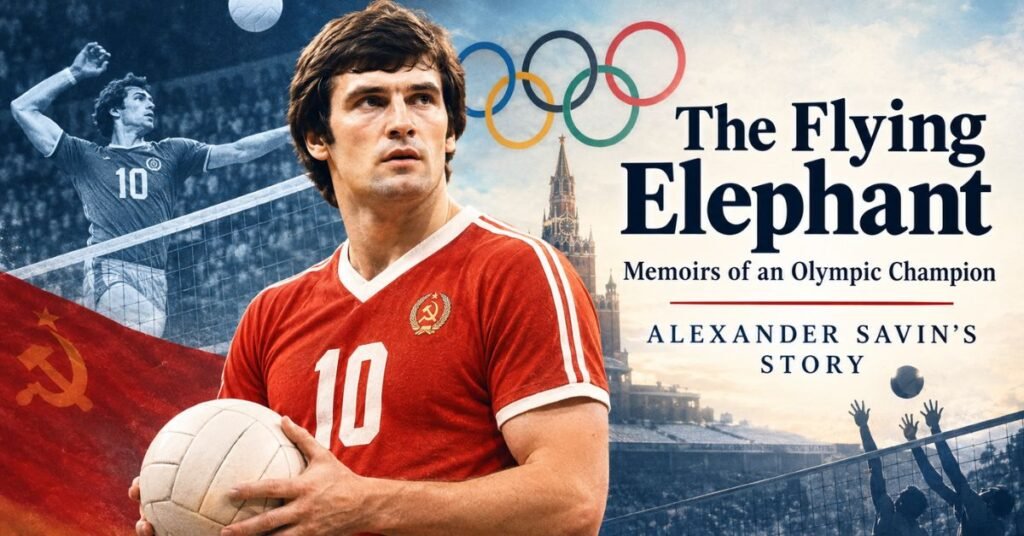
The Flying Elephant: Memoirs of an Olympic Champion is one of the most honest sports books you can read today. It tells the true story of Alexander Savin, a giant of Soviet volleyball. This book is not just a sports story. It is a life lesson wrapped inside an Olympic champion memoir.
Savin was tall, strong, and fast. He earned gold for the Soviet Union volleyball team. His book shows how he did it. It talks about hard training, tough coaches, and the pressure of the Cold War sports world. This article walks through his full story, his career, and the lessons his life still teaches us today.
What Is The Flying Elephant: Memoirs of an Olympic Champion?
The Flying Elephant memoir is the true life story of Alexander Savin. It is written in simple, honest language. The book does not only talk about medals. It talks about the years of hard work behind those medals.
This volleyball memoir is different from other sports books. Many sports books only show the wins. This book shows the training, the pain, and the small steps that made Savin great. It is a real athlete autobiography that feels close and personal.
Read More: Tubefalire Explained: 7 Key Facts You Should Know in 2026
Book Overview
The book has clear facts that readers like to know. Here is a simple table with the main details.
| Detail | Information |
| Title | The Flying Elephant: Memoirs of an Olympic Champion |
| Author | Alexander Savin |
| Editors | Andrei Savine, Julia Savine |
| Introduction | Peter Murphy |
| Translator | Alfredo Cabero |
| Format | Kindle Edition |
| Pages | 514 |
| Photos | Over 240 rare photos |
| Release | October 2025 |
This table shows why the book feels big and rich. It is not a short, quick read. It is a full sports history memoir built with care.
What the Memoir Covers
The book covers many parts of Savin’s life. It starts with his childhood. Then it moves to his rise in Soviet volleyball. After that, it covers his two Olympic Games. Finally, it ends with his life after playing.
Each part feels real. Savin does not hide his fears or his mistakes. He talks about hard losses and hard coaches. This makes the book feel like a true firsthand athlete account, not just a highlight reel.
Why the Book Matters in Volleyball History
Not many Soviet athletes wrote a full memoir in English. This makes Savin’s book rare. It gives fans a window into a closed world.
This is why The Flying Elephant: Memoirs of an Olympic Champion stands out in volleyball history. It is not just one man’s story. It is a piece of history that most people never got to see before.
Who Is Alexander Savin?
Alexander Savin is a name every volleyball fan should know. He is one of the greatest middle blockers in the sport. His size and skill made him stand out on every court he played on.
This section looks at his early life, his rise, and his path to Olympic glory. Each step shows how much work it took to become a champion. Nothing came easy, and the book makes that very clear.
Early Life and Introduction to Volleyball
Savin was born on July 1, 1957, in Taganrog, a city in Russia’s Rostov region. As a boy, he was already tall for his age. This height later became his biggest gift on the court.
He found volleyball early and fell in love with the sport fast. Like many young athletes, he did not know his future yet. But the seeds of an Olympic volleyball champion were already growing.
Rise Through Soviet Volleyball
As Savin grew, so did his skill. He joined the Soviet national volleyball team in 1975. This was the start of a long and proud career.
Soviet coaches saw his talent and pushed him hard. Alexander Savin’s volleyball career grew fast under strict training. He learned discipline, patience, and the value of hard practice each single day.
Becoming an Olympic Champion
Savin’s hard work paid off on the biggest stage in sports. He became an Olympic athlete memoir subject because his story was too good not to tell.
His journey to becoming an Olympic champion was not fast or easy. It took years of pain, growth, and belief. That slow climb is one of the strongest parts of his story.
Why Was Alexander Savin Called “The Flying Elephant”?

Nicknames in sports often stick for a reason. Savin’s nickname is one of the most memorable in elite volleyball. It paints a picture before you even watch him play.
The name feels strange at first. An elephant does not fly. But once you understand Savin’s game, the name makes perfect sense.
The Meaning Behind the Nickname
Savin was very tall and very strong. His body looked heavy and powerful, just like an elephant. Yet he moved at the net like something light and quick.
That mix of power and grace gave him his nickname. Teammates and reporters both used it. Soon, it became part of his identity in volleyball history.
What the Nickname Reveals About His Playing Style
The nickname is not just funny. It explains his real skill. Big players are often slow. Savin broke that rule completely.
He jumped high, moved fast, and blocked with sharp timing. This mix of size and speed is rare. It is why coaches still study his old game films today.
How “The Flying Elephant” Became Part of Volleyball History
Over time, the name grew bigger than the man. It became a symbol of unusual talent. People used it to describe any big player who moved with surprising grace.
This is also why the book uses the name as its title. It is more than a nickname. It is the heart of the whole story.
Read More: OnlyWorkMoods.com Review 2026: Is It Legit, Safe, and Worth Your Time?
Alexander Savin’s Volleyball Career and Major Achievements
Savin’s career did not happen in a quiet moment in sports history. He played during one of the strongest eras in Soviet volleyball. His skill helped build his country’s name across the world.
This part of the article looks closely at that era, his path, and the medals that followed. Each detail helps show why his story still matters.
Soviet Volleyball During Its Golden Era
The Soviet system was famous for building strong athletes. Coaches used a full plan that covered fitness, skill, tactics, and the mind. Below is a simple table of that system.
| Focus Area | Purpose |
| Physical Fitness | Build strength and stamina |
| Technical Skills | Master serving, hitting, and blocking |
| Tactical Awareness | Read plays and react fast |
| Psychology | Handle pressure and stay calm |
| Team Development | Build trust and communication |
This full system shaped Savin into a complete player, not just a tall one.
The Road to Elite Competition
Before the Olympics, Savin had to prove himself again and again. He played for top clubs, including strong Soviet teams. Every match added more pressure and more growth.
This road was long and full of tests. Selection for the national team was never easy. Only the strongest players earned a spot, and Savin fought hard for his.
Major Titles, Medals, and Career Highlights
Savin’s list of wins is long and proud. He earned a silver medal at the 1976 Montreal Olympics. Four years later, he won gold at the 1980 Moscow Olympics.
His success did not stop there. He also competed in World Championships and European events. In 2010, the sport honored him with a place in the Volleyball Hall of Fame, cementing Alexander Savin’s achievements for good.
Savin’s Place Among the Great Volleyball Players of His Era
Savin stood beside some of the best players in the world during his time. His mix of size, jump, and smart play set him apart from most blockers.
Many experts still list him among the top middle blockers in Olympic sports history. His name often comes up in talks about the strongest Soviet Olympic volleyball teams ever built.
From Olympic Heartbreak to Olympic Gold

Every great story needs a turning point. For Savin, that turning point was between two Olympic Games. His path moved from pain to pride in just four years.
This section shows how a hard loss became fuel for a bigger win. It is one of the most human parts of the whole memoir.
Alexander Savin at the 1976 Olympics
At the 1976 Olympics, Savin and his team earned silver. It was a strong result, but it was not gold. For a team built to win, silver still felt heavy.
This early Olympic run gave Savin real international experience. It also planted a hunger in him. He wanted more, and he knew what he had to do to get it.
The Road to the 1980 Moscow Olympics
The years between 1976 and 1980 were full of hard training. Savin and his teammates studied their mistakes closely. They trained harder and smarter each season.
Playing the next Olympics at home in Moscow added even more pressure. The whole country would be watching. This made every practice feel bigger than normal.
Winning Olympic Gold in 1980
In 1980, Savin finally won Olympic gold. The win came on home soil, in front of fans who had waited for this moment. It became one of the proudest days of his life.
This victory is the heart of the book’s title. It shows how patience and hard work can turn near misses into full triumphs. The 1980 Moscow Olympics volleyball win remains a career high point.
The Impact of the U.S. Olympic Boycott
The 1980 Games were shaped by outside politics too. The United States led a boycott of the Moscow Olympics that year. This changed the field of competing nations.
This part of history matters for context. It does not take away from Savin’s win, but it helps readers understand the full picture around the 1976 Olympics volleyball and 1980 results.
Inside the Soviet Volleyball System
To understand Savin, you must understand the system that built him. The Soviet sports system was famous around the world. It aimed to build champions from a young age.
This section explains how that system worked and how tough it could be on its athletes.
How Soviet Athletes Were Developed
Young athletes were spotted early through school programs and local clubs. Coaches watched for size, speed, and drive. Once found, talented kids moved into stronger training paths.
This process was slow and careful. Athlete development was treated like a science, not luck. Every stage built on the one before it.
Training and Competition During the Soviet Era
Training days were long and strict. Athletes practiced skills again and again until they became natural. Competition schedules were also packed, testing players all year long.
This heavy load built strong bodies and strong minds. It also built deep respect for volleyball training among every player who came through the system.
Challenges Faced by Elite Athletes
Life at the top was never simple. Below is a short table showing common problems athletes faced during this era.
| Challenge | Impact |
| Constant testing | High mental pressure |
| Heavy travel | Hard on the body |
| Public attention | Added personal stress |
| Tough training loads | Risk of injury |
| Strong rivals | Higher performance demands |
These challenges shaped tough, patient athletes like Savin.
Soviet Volleyball vs. Modern Professional Volleyball
Today’s game looks different in many ways. Modern professional volleyball uses new science, better gear, and global leagues. Yet many old lessons still hold true.
Discipline, teamwork, and hard practice still matter today. The Soviet system may look old, but its core ideas still guide top teams around the world.
Alexander Savin’s Playing Style and Training Methods
Savin’s playing style did not come from luck. It came from years of focused work. This part of the article breaks down how he trained his body, his skills, and his mind for the court.
Read More: Simple Health Check Methods: Easy Ways to Monitor Your Health at Home
Physical Preparation and Athletic Conditioning
Strong legs and a strong core gave Savin his power. His training included heavy strength work, sprint drills, and long stamina sessions. Jump training was also a huge part of his routine.
This full body approach made him ready for long matches. Physical conditioning like this built the base for everything else he did on the court.
Technical Skill Development
Skills like serving and hitting take years to master. Savin practiced these moves thousands of times. Repeating small actions helped his body remember them without thinking.
This deep focus on technical skills made his game look smooth. What looked simple on court was really the result of years of quiet, repeated effort.
Blocking, Jumping, and Court Movement
As a middle blocker, Savin needed fast feet and sharp timing. He studied how hitters moved before they even hit the ball. This gave him a small but important edge.
His blocking and jumping skill made him hard to score against. Good court movement let him reach the right spot at the right second, again and again.
Tactical Intelligence and Game Reading
Being big and fast was not enough. Savin also needed to think fast. He learned to read formations and guess where the ball would go next.
This kind of tactical intelligence often decides close matches. Smart players like Savin turned guesses into smart, planned moves during real games.
Training Lessons Modern Volleyball Players Can Apply
Today’s players can still learn from Savin’s habits. Deep focus, steady practice, and full body training remain useful ideas. Old methods often hide simple truths that still work.
Modern coaches often mix new science with these old lessons. This blend can help build strong, complete players even in today’s fast-paced game.
Mental Toughness Lessons From Alexander Savin

Sports success is not only about the body. The mind plays a huge role too. Savin’s book spends real time on this side of the game.
This part covers how he built confidence, handled loss, and stayed focused for years.
Building Confidence Under Pressure
Big games bring big nerves. Savin often says that preparation was his true source of calm. When training felt solid, pressure felt smaller.
This mindset supports strong mental toughness in sports. Confidence did not come from luck. It came from knowing he had done the work needed to succeed.
Learning From Defeat and Setbacks
The silver medal in 1976 could have felt like a failure. Instead, Savin used it as fuel. He studied what went wrong and used that pain to grow stronger.
This is a key lesson in resilience in athletics. Losses hurt, but they also teach. Great athletes use setbacks to build a better future.
Maintaining Focus on Long-Term Goals
Big goals take years, not weeks. Savin stayed focused on the bigger picture, even during slow, boring training days. He trusted the long process.
This kind of patience is rare today. Many people want fast results. Savin’s story reminds us that real growth often takes quiet, steady time.
Developing Discipline and Consistency
Discipline was at the center of everything Savin did. He trained hard, even on days he did not feel motivated. Small daily habits built his long-term success.
This steady athletic discipline turned normal practice into champion-level skill. Consistency, more than talent alone, shaped his full career.
Teamwork and Leadership in Elite Volleyball
Volleyball is not a solo sport. No player, no matter how tall or skilled, wins alone. Savin’s memoir places heavy value on team spirit and shared effort.
This part looks at what made his teams strong and what he learned about leading others.
What Makes a Successful Volleyball Team?
Good teams share clear goals and honest communication. Trust between players matters just as much as raw skill. When players believe in each other, they play with more courage.
These simple traits build strong teamwork in volleyball. Without trust, even the most talented players can fail under pressure.
Savin’s Approach to Team Competition
Savin often talks about his teammates with deep respect. He believed personal glory meant little without team success. His mindset placed the group above his own name.
This attitude shaped Alexander Savin’s career in a strong way. It also earned him respect from coaches and players who valued shared effort over solo pride.
Leadership Lessons for Modern Athletes
True leaders do not need loud words. Savin led through steady actions and calm behavior. He supported younger players and stayed focused during hard matches.
This style of leadership in sports still works today. Leading by example often builds more trust than leading through orders alone.
Why Team Chemistry Matters at the Highest Level
At the top level, skill gaps between teams shrink. Chemistry becomes the real difference maker. Teams that trust each other often beat teams with only raw talent.
This truth applies far beyond volleyball. Strong bonds between people almost always lead to stronger, more stable results in any group effort.
The Olympic Environment and Cold War Sports Culture
To fully understand Savin’s story, you need to understand his era. Cold War sports carried weight far beyond simple competition. Every win or loss felt bigger than the game itself.
This section explains that world and why it shaped every part of Savin’s journey.
International Competition During the Soviet Era
Soviet athletes trained inside one of the most organized systems in the world. Every part of their training aimed at global success. Nothing was left to chance.
This deep focus helped build a proud history in Olympic gold in volleyball for the Soviet Union. Their system became a model that other countries studied closely.
Politics and Sports at the Olympics
During the Cold War, sports became a stage for two rival systems. A win at the Olympics felt like proof of a stronger nation. This turned simple games into symbols of larger battles.
This mix of politics and sport shaped the pressure Savin lived under. His personal success also became part of a much bigger story.
Pressure on Soviet Athletes
Soviet athletes carried heavy weight on their shoulders. A loss did not just affect the player. It could affect how the whole nation felt about its own strength.
This pressure demanded strong nerves and deep focus. Competitive pressure like this pushed athletes like Savin to train even harder than before.
Why the Historical Context Matters
Modern readers often see sports in a simple way. Understanding the Cold War helps explain why Savin’s era felt so different and so intense.
This history adds real depth to his memoir. It turns a sports story into a small window into a much bigger moment in world history.
Coaching Philosophy and Athlete Development
Behind every great athlete stands a strong coach. Savin often credits his coaches for shaping his path. This section looks closely at that coaching world.
The Role of Coaches in Savin’s Career
Coaches gave Savin more than instructions. They pushed him, corrected him, and believed in him during hard times. Their guidance shaped both his skill and his mindset.
This close bond reflects a strong coaching philosophy. Good coaches build people, not just better players on a scoreboard.
Long-Term Development Over Quick Results
Soviet coaches rarely chased fast wins. They built skills slowly, over many seasons. This patient method matched the deep, careful nature of long-term athletic development.
This slow approach often produced stronger, more complete athletes. It also matches many of the lessons found throughout Savin’s memoir.
Knowledge Transfer Between Generations
Older players often passed down lessons to younger teammates. This habit kept useful knowledge alive inside the team. New players learned faster because of this shared wisdom.
This cycle strengthened the whole program over time. It also helped preserve important parts of Soviet sports history for future generations.
Lessons for Modern Volleyball Coaches
Modern coaches can learn from this patient style. Building trust, patience, and long-term plans often works better than chasing fast results. Savin’s story proves that steady growth pays off.
Coaches today can mix old wisdom with new science. This blend often creates stronger, more balanced training programs.
Key Lessons From The Flying Elephant for Modern Readers
Savin’s memoir teaches more than sports facts. It carries lessons that fit many parts of life. This section breaks those lessons down by reader type.
Lessons for Athletes
Athletes can learn about discipline, patience, and handling failure. Small daily habits build big future results. Consistency beats short bursts of effort almost every time.
These lessons apply across every sport, not just volleyball. Hard work done quietly often outperforms flashy, short-term effort.
Lessons for Coaches
Coaches can learn about trust, patience, and long-term planning. Good coaching builds full people, not just skilled players. This mindset creates loyalty and stronger long-term results.
Savin’s story shows how deep coaching bonds can shape a whole career.
Lessons for Students and Professionals
Even non-athletes can use these lessons. Deep focus, patience, and steady effort help in school and work too. Big goals in any field take quiet, steady progress.
Savin’s mindset works well beyond sports. His story fits students, workers, and dreamers of every kind.
Applying Elite Performance Principles to Everyday Life
Elite habits are not only for elite athletes. Anyone can use focus, discipline, and patience to reach personal goals. Savin’s story proves that these values apply to almost any dream.
This wide relevance is why his memoir reaches far beyond the world of volleyball.
Alexander Savin’s Journey Through the Lens of High Performance
Looking closely at Savin’s path reveals clear patterns. These patterns match ideas often used in sports performance studies today.
Deliberate Practice
Savin did not just practice a lot. He practiced with a clear purpose each time. This method, often called deliberate practice, builds faster and stronger skill growth.
This focused style shaped much of his early success on the court.
Resilience After Failure
His path from a 1976 silver medal to 1980 gold shows real resilience. He faced a hard result and used it to build something stronger. Growth often follows pain, not comfort.
This pattern repeats often in the lives of top performers across many fields.
Continuous Improvement
Even after reaching the top, Savin kept improving. He never treated success as a finish line. This mindset, called continuous improvement, kept him sharp for years.
Staying humble after big wins is rare, but it often leads to longer careers.
Discipline and Long-Term Consistency
Across his whole career, one thing stayed the same. Savin trained with steady discipline, season after season. This consistency turned raw talent into lasting excellence.
This idea remains one of the strongest messages in his entire memoir.
A Simple High-Performance Formula
Many of these ideas fit into one simple formula.
Talent + Discipline + Coaching + Experience + Resilience = Elite Performance
This formula is simple, but it holds strong truth. Savin’s whole story fits neatly inside this short equation.
How Accurate and Reliable Is The Flying Elephant?
Some readers wonder how reliable a memoir can be. This section looks closely at that fair question.
Strengths of an Athlete’s Memoir
Memoirs carry strong value because they come from real experience. Savin lived every training day and every big match himself. This gives his story deep, honest detail.
His long career and respected name also add strong credibility to his account.
Understanding Personal Perspective
Every memoir shows one person’s view of events. This is normal and expected. It does not make the story less valuable. It simply shapes how readers should read it.
Personal perspective adds emotion and honesty that pure facts alone cannot give.
Memoir vs. Independent Historical Records
Readers who want hard facts can check outside sources too. Olympic records confirm his 1976 silver and 1980 gold medals. His name also appears in the Volleyball Hall of Fame records from 2010.
This mix of personal story and public record makes his memoir feel both human and trustworthy.
How to Interpret a Firsthand Account
The best way to read this book is with an open, thoughtful mind. Enjoy the personal story, but feel free to check big facts elsewhere too. Both sides work well together.
This balance makes the reading experience richer and more complete.
Historical and Cultural Value of The Flying Elephant
Beyond personal lessons, this book holds real historical value. It captures a world that few outsiders ever saw closely.
A Rare Insider Perspective on Soviet Volleyball
Few Soviet athletes wrote full English memoirs like this one. This makes Savin’s book a rare gift for fans and historians alike. It opens a door that stayed closed for many years.
This rare access adds huge value to anyone studying Olympic volleyball history.
Preserving Olympic and Volleyball History
Sports history often fades once players retire. Books like this help protect that history. Savin’s memoir keeps his era alive for readers who never saw him play.
This preservation matters deeply for future fans and young athletes alike.
Stories, Photographs, and Archival Value
The book includes over 240 rare photos. These images add real weight to the written stories. Readers can see training camps, matches, and quiet personal moments.
This visual detail turns the book into both a memoir and a small historical archive.
What Makes the Memoir Different From Other Sports Books
Many sports books rush through years to reach the exciting wins. Savin’s book slows down instead. It respects the small steps that built his success.
This patient style sets it apart from flashier, faster sports stories.
Why The Flying Elephant Still Matters in 2026
Old sports books can feel outdated fast. Savin’s memoir avoids that problem in a clear way.
Timeless Principles of Elite Performance
Hard work, patience, and teamwork never go out of style. These simple truths still guide champions today, no matter their sport or country.
This is why Savin’s lessons still feel fresh, even decades later.
What Modern Volleyball Players Can Learn
Today’s players train with new tools and new science. Yet many old lessons about discipline and focus still apply directly to modern training rooms.
Savin’s habits offer a strong base that fits well with modern coaching methods.
Lessons That Apply Beyond Sports
Many readers enjoy this book without any interest in volleyball at all. Its lessons about patience and growth fit business, school, and personal life just as well.
This wide appeal keeps the book relevant to a much larger audience.
Its Continuing Value in Volleyball History
As long as people study volleyball history, Savin’s story will stay important. His name, his nickname, and his journey remain a strong part of the sport’s proud past.
The Flying Elephant in Sports Literature
This memoir also holds a special place inside the wider world of sports literature.
Its Contribution to Volleyball Literature
Volleyball has fewer deep memoirs than sports like boxing or running. Savin’s book fills that gap nicely. It gives volleyball fans a serious, detailed story to call their own.
This contribution strengthens the small but growing library of true volleyball stories.
Comparing It With Other Olympic Memoirs
Many Olympic memoirs focus mostly on medal moments. Savin’s book spends more time on the quiet process behind those moments. This choice makes it feel more educational than most.
Readers looking for depth over drama often prefer this thoughtful, slower style.
Alexander Savin’s Lasting Legacy
Savin’s legacy lives on through his Hall of Fame honor, his nickname, and now his memoir. Each piece adds another layer to a story that already felt larger than life.
His full legacy continues to inspire new readers each year.
Who Should Read The Flying Elephant: Memoirs of an Olympic Champion?
This book fits a wide range of readers, not just die-hard volleyball fans.
Volleyball Players and Fans
Players and fans will enjoy the deep sport detail. Every page feels close to the game they already love.
Coaches and Sports Professionals
Coaches will value the lessons on training, patience, and leadership found throughout the book.
Students and Sports History Readers
History lovers will enjoy the strong Cold War background woven through Savin’s personal story.
Readers New to Volleyball
Even readers with no sports background can enjoy the human lessons on discipline, failure, and growth found inside this memoir.
Frequently Asked Questions
Who wrote The Flying Elephant: Memoirs of an Olympic Champion?
Alexander Savin wrote the memoir himself, with support from editors and a translator for the English edition.
Who is Alexander Savin?
Alexander Savin is a former Soviet volleyball player and Olympic champion, known for his size, skill, and leadership on the court.
Why was Alexander Savin called the Flying Elephant?
The nickname came from the contrast between his large size and his graceful, powerful jumping ability at the net.
Did Alexander Savin win Olympic gold?
Yes. He won Olympic gold at the 1980 Moscow Olympics with the Soviet Union volleyball team.
When did Alexander Savin win Olympic gold?
He won gold in 1980, after earning a silver medal four years earlier at the 1976 Montreal Olympics.
What can athletes learn from Alexander Savin?
Athletes can learn about discipline, resilience, teamwork, and the value of slow, steady growth over many years.
Final Thoughts
The Flying Elephant: Memoirs of an Olympic Champion tells more than a sports story. It shows what it truly takes to build a champion, one quiet day at a time. Alexander Savin’s journey through Soviet volleyball, Olympic pressure, and personal growth still feels close and human, even decades later. For anyone chasing a big goal of their own, his story offers real, lasting proof that patience and hard work still win in the end.